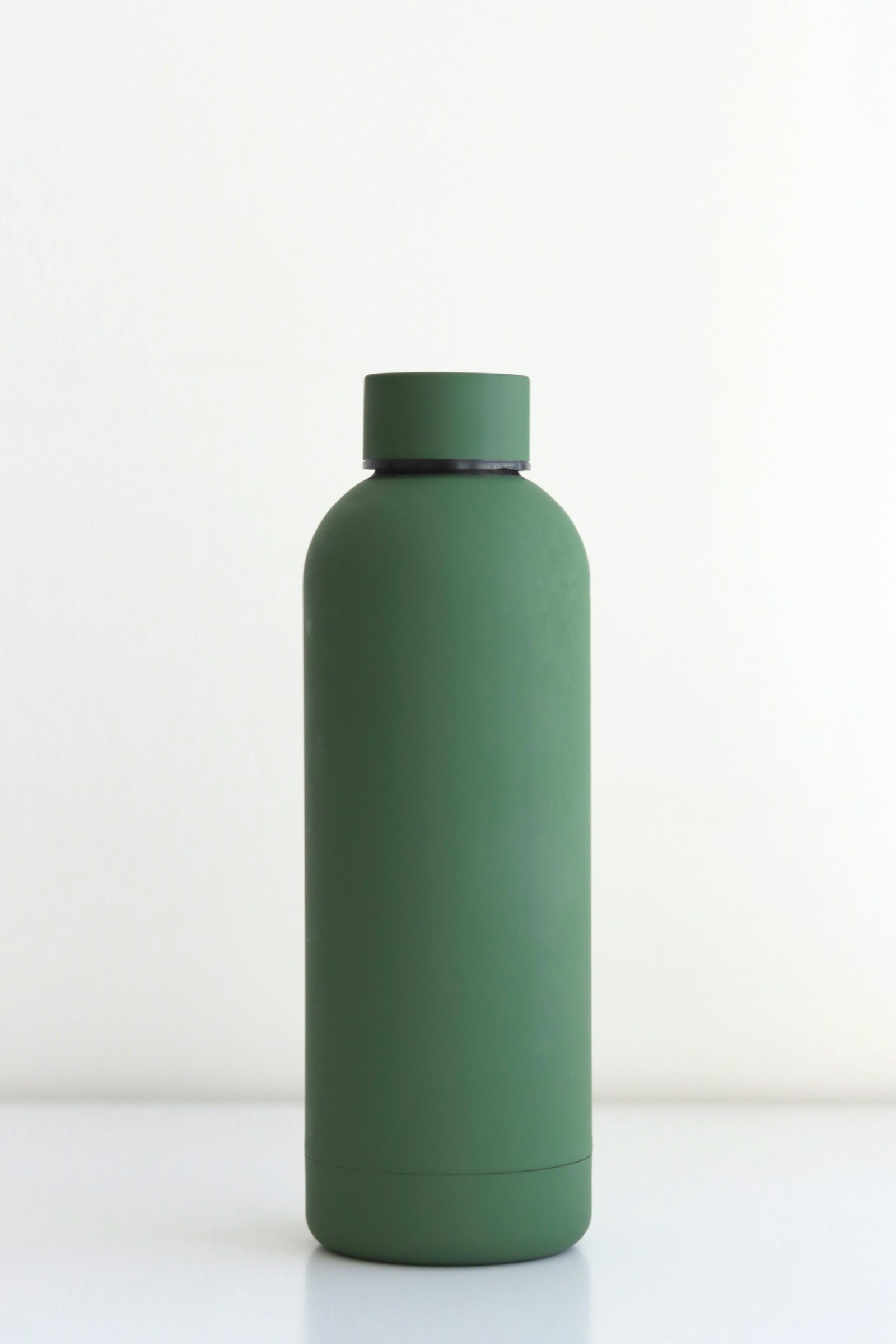
Most daycare water bottle policies come down to four things: send a leak-proof, labeled bottle your child can use alone, fill it with plain water, do not let children share, and wash it daily. The rules are about hygiene and steady hydration through an active day. The reasons trace to CDC guidance on not sharing cups and to routine-cleaning standards in Caring for Our Children.
Send a leak-proof, easy-to-clean bottle your child can open and drink from without help, labeled with a first name and last initial. Spill-proof straw or spout bottles suit toddlers, while older children manage flip-top sports caps. Avoid glass and bottles with small detachable parts, which can be choking hazards in younger rooms.
Pick a size your child can actually lift and a design you can fully take apart to wash. Many centers ask for one clearly labeled bottle that either stays at school or rides home daily for cleaning, so check your handbook and the wider daycare logistics guide for what to expect. A bottle your child can manage independently means more sips through the day and fewer requests for adult help.
Sharing a bottle spreads illness, so a labeled, single-child bottle keeps each child drinking only from their own. The Centers for Disease Control and Prevention (CDC) recommends against sharing cups and drinking containers to limit the spread of germs in group settings. A clear name also prevents mix-ups among a shelf of near-identical bottles.
Beyond hygiene, easy access to a child's own bottle supports steady hydration through indoor and outdoor play, which matters most in hot weather. When each child has a named bottle within reach, teachers can prompt drinks without sorting out whose is whose. The label is a small step that does real work for both health and routine.
| Policy point | What centers usually ask | Why |
|---|---|---|
| Bottle type | Leak-proof, child-operable, no glass | Independence and injury safety |
| Label | First name and last initial, clearly | No sharing, no mix-ups, per CDC |
| Contents | Plain water in the all-day bottle | Tooth and spoilage concerns, per AAP |
| Cleaning | Full wash every day, all parts | Routine sanitizing, per Caring for Our Children |
| Quantity | One labeled bottle per child | Easy tracking and refills |
Wash it daily. A bottle used all day by a young child collects backwash, food, and bacteria, so it needs a full wash every night, not a rinse. Caring for Our Children (2019) emphasizes routine cleaning and sanitizing of feeding and drinking items in child care. Disassemble straws and lids and wash every part, since gunk hides in the corners.
Usually no, at least not in the all-day bottle. Most daycares want plain water in the carry-around bottle, because sugary drinks left at room temperature promote tooth decay and can spoil, and milk needs refrigeration. The American Academy of Pediatrics (AAP) recommends water and plain milk over juice for young children and limiting juice overall.
If your center serves milk or juice, it is typically with meals and stored cold, separate from the bottle your child carries. Send those drinks only when the center allows and refrigerates them. Keeping the everyday bottle to water is simpler, safer for teeth, and avoids the sticky spoilage problem that warm juice creates by mid-afternoon.
One honest note. Daily bottle washing is one more chore on an already full evening, and some nights it will not happen perfectly. A dishwasher-safe bottle and a spare you can rotate make the routine survivable. If your child resists plain water, that is common, and the answer is patience and consistency, not switching to juice. Steady water beats a bottle your child loves but that harms their teeth.
What bottle? A leak-proof, labeled, child-operable bottle without glass or small detachable parts.
Why labeled? To stop sharing and mix-ups, which the CDC advises against for germ control.
How often to clean? Fully, every day, with all parts taken apart, per Caring for Our Children (2019).
Juice or milk? Usually water only in the all-day bottle; the AAP favors water and plain milk over juice.
The full daycare logistics guide, from packing and hydration to billing and backup care.
Read the pillar → BlogSafe, simple, no-heat lunch combos that travel well and stay cold.
Read the guide → BlogWhen daycares allow a lovey or blanket, and the nap-safety rules behind the limits.
Read the guide →Get our free daycare starter kit — the 27-question tour checklist, a cost-comparison worksheet, and what to ask about waitlists. One email, no spam.
Or jump in: tour questions · cost calculator · comparison checklist