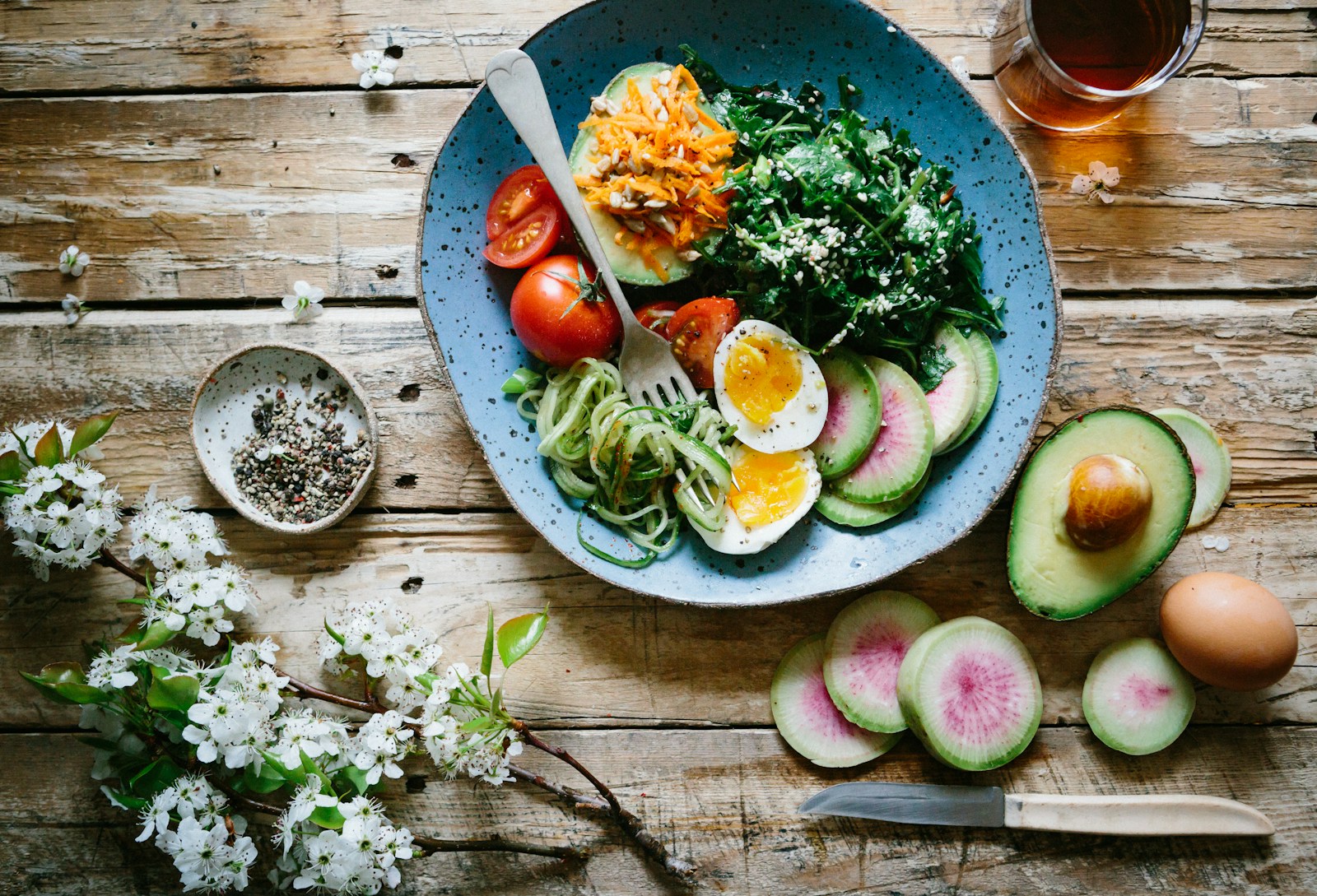
A good daycare lunch is safe, no-heat, and easy for small hands. Build it from a protein, a grain, a fruit or vegetable, and a dairy or alternative, all in shapes your child can manage. Skip the foods the American Academy of Pediatrics flags as choking hazards, keep cold food cold per US Department of Agriculture rules, and always check your center's allergy policy first.
Build a no-heat lunch from four parts: a protein, a grain, a fruit or vegetable, and a dairy or alternative, in shapes your child can manage. Good combos include a cut sandwich with soft fruit, whole-grain crackers with cheese and cucumber, or cold pasta with peas. Most daycares cannot reheat food, so pack things that taste fine cold or at room temperature.
Variety matters less than reliability at this age. A few rotating combos your child will actually eat beat an ambitious menu that comes home untouched, a theme that runs through our wider daycare logistics guide. Pack slightly more than you think, since active mornings build appetites, and include one familiar favorite so a picky day still has something eaten. Keep perishable items cold with an ice pack from the first minute.
| Component | Easy no-heat options | Prep for small hands |
|---|---|---|
| Protein | Cheese, beans, shredded chicken, egg | Cut into small, soft pieces |
| Grain | Whole-grain bread, crackers, cold pasta | Halve or quarter; bite-size pieces |
| Fruit or veg | Soft fruit, steamed veg, cucumber | Slice grapes lengthwise into quarters |
| Dairy or alt | Yogurt, cheese, fortified alternative | Single-serve, packed cold |
| Keep it safe | Insulated box plus an ice pack | At or below 40°F, per USDA |
The American Academy of Pediatrics (AAP) lists whole grapes, hot dog and sausage rounds, hard or sticky candy, whole nuts and seeds, popcorn, raw hard vegetables like carrot coins, chunks of meat or cheese, and globs of nut butter as common choking hazards for children under about age four. These foods are the right size and shape to block a small airway.
The fix is preparation, not avoidance of whole food groups. Cut round foods lengthwise into small pieces, slice grapes into quarters, shred or finely chop meat, and spread nut butter thinly. Many infant and toddler rooms also keep their own banned-foods list, so read your handbook. When you are unsure whether a food is safe, cut it smaller and softer than feels necessary.
Use an insulated lunch box with at least one ice pack, and pack perishable items straight from the fridge. The US Department of Agriculture (USDA) advises keeping cold food at or below 40 degrees Fahrenheit to slow bacteria, since the danger zone runs from 40 to 140 degrees. If your center refrigerates lunches, label the box and confirm where it goes at drop-off.
Hours pass between packing at 7 a.m. and lunch at noon, so a single thin ice pack often is not enough on a warm day. Use two, or freeze a yogurt or water bottle to double as a chill source. When the day is hot or storage is uncertain, lean on shelf-stable items, like nut-free crackers, dried fruit, and sealed cups, that do not need refrigeration at all.
It depends on the center. Many daycares restrict peanuts, tree nuts, and sometimes all nut products, because a classmate may have a severe allergy and staff cannot safely manage cross-contact among small children who share tables and hands. Check your handbook and any room-specific rules before packing nut butter or nut-containing snacks. Respecting a nut ban protects a child whose reaction could be life-threatening.
Where nuts are allowed, spread nut butter thinly rather than in globs, which the American Academy of Pediatrics (AAP) lists as a choking hazard for young children. Seed butters or other protein swaps make easy substitutes when nuts are off the table. If your own child has a food allergy, give the center a written plan and confirm how they handle it before the first day.
One honest note. Some lunch will come home uneaten, and that is normal toddler eating, not a packing failure. Children's appetites swing day to day, and a teacher cannot coax every bite in a busy room. Pack safe, familiar food, keep portions modest, and let go of the clean-box ideal. The job is to offer good options and keep them safe, not to control what gets eaten.
What to pack? A no-heat protein, grain, fruit or vegetable, and dairy or alternative, in small, manageable pieces.
What to skip? Whole grapes, hot dog rounds, hard candy, popcorn, and nut-butter globs, per AAP choking-hazard guidance.
How to keep it safe? Insulated box with ice packs, cold food at or below 40 degrees, per USDA.
Peanut butter? Only if your center allows it; many restrict nuts for allergy safety. Check the handbook.
The full daycare logistics guide, from meals and packing to billing and backup care.
Read the pillar → BlogHow daycare allergy plans work and what to put in writing for staff.
Read the guide → BlogWhat daycares expect for water bottles, hydration, and cleaning.
Read the guide →Get our free daycare starter kit — the 27-question tour checklist, a cost-comparison worksheet, and what to ask about waitlists. One email, no spam.
Or jump in: tour questions · cost calculator · comparison checklist