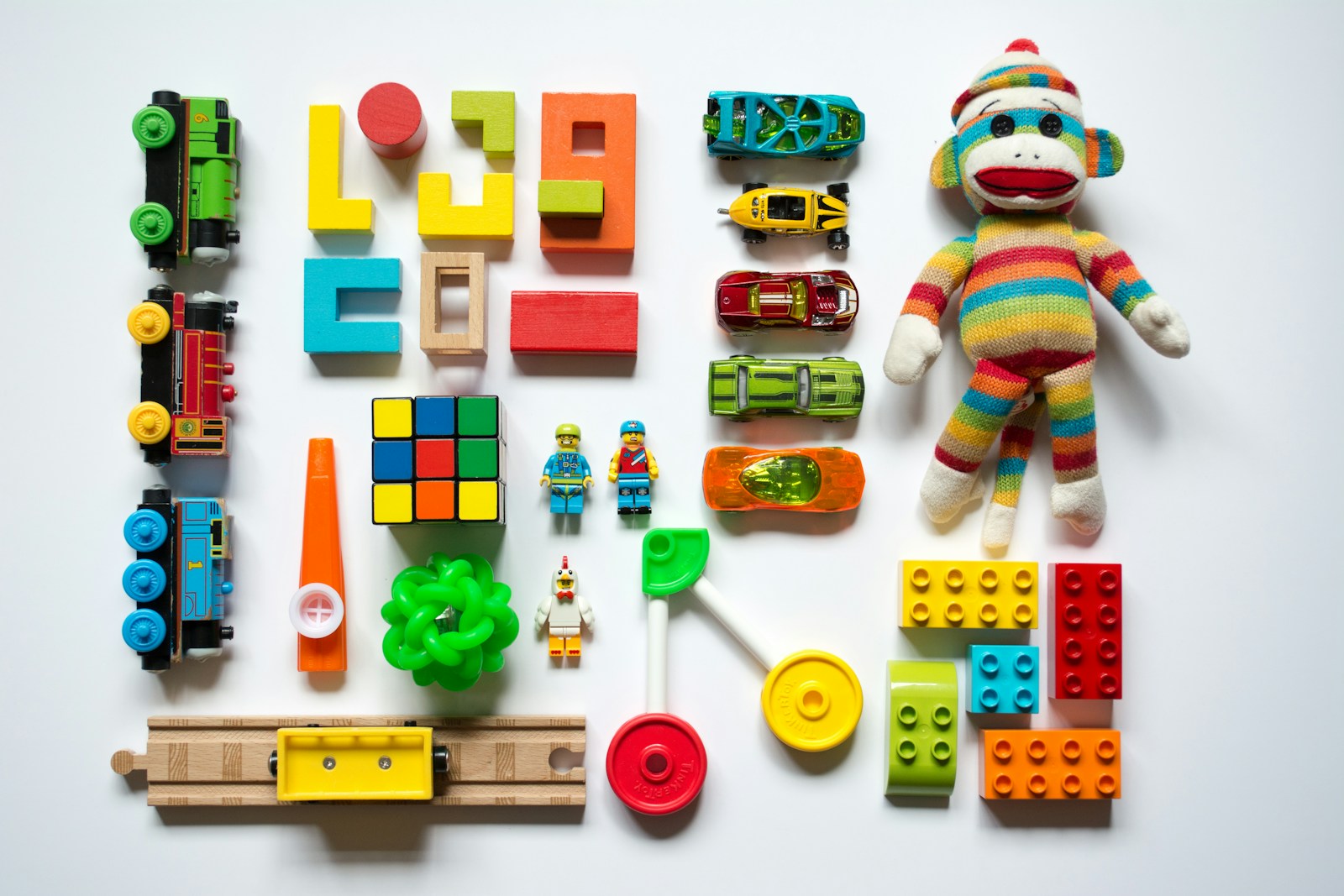
Most daycares do not allow toys from home for everyday play. The usual exceptions are a labeled nap comfort item and a weekly show-and-tell day. Centers restrict personal toys because they spark sharing conflicts, get lost or broken, and can introduce choking hazards the staff cannot screen. Check your handbook for the room-specific rule before the first morning.
Usually not for everyday play, with two common exceptions: a nap comfort item and a designated show-and-tell day. Most centers restrict personal toys because they cause conflict over sharing, get lost or broken, and can introduce choking hazards or germs the staff cannot control. The toy that is precious at home becomes a problem the moment three other children want a turn.
Caring for Our Children (2019) calls for toys to be safe for the age group and cleanable, which is hard to guarantee with items from home. The rule and its exceptions vary by program, so read your handbook and ask your child's teacher. Knowing the policy before drop-off saves you a tearful negotiation in the parking lot on day one.
Three reasons drive the policy: safety, sharing conflict, and loss. A toy from home may have small parts that are a choking hazard for the under-three age group, and Caring for Our Children (2019) directs programs to keep toys age-appropriate and cleanable, which staff cannot verify for outside items. The center's own toys are screened and sanitized; yours are an unknown.
The social cost is just as real. Personal toys spark disputes when other children want a turn, and they frequently get lost or broken, turning a normal day into a meltdown. A center that uses only its own shared toys avoids both the safety unknown and the daily tug-of-war, which is why the blanket no-toys rule is so common.
| Item from home | Usually allowed? | Why |
|---|---|---|
| Everyday play toy | No | Sharing conflict, loss, and safety unknowns |
| Small toy with parts | No | Choking hazard for the under-three age group |
| Labeled nap lovey or blanket | Usually yes (past infancy) | Soothes rather than entertains |
| Show-and-tell item | On its assigned day | Structured, supervised, returns home same day |
| Anything irreplaceable | Avoid | Loss turns a small mishap into a crisis |
Comfort items are treated differently from toys. Most centers allow a labeled lovey or small blanket for nap and transitions once a child is past the infant stage, because the item soothes rather than entertains. For infants under 12 months, soft items stay out of the crib during sleep under AAP (American Academy of Pediatrics) safe-sleep guidance, which calls for a bare crib.
The practical rule is that a single, labeled, washable comfort item for nap is usually fine, while general play toys are not. If you are not sure where your child's favorite falls, ask the teacher directly. For the full breakdown, see our daycare comfort item policy guide and the broader daycare logistics guide.
Set a clear, calm boundary and offer a substitute. Telling your child the toy stays home or waits in the car removes the daily debate, especially if the routine is identical every morning. The steps below make the limit predictable instead of a fresh fight each day.
One honest note. A no-toys rule can feel cold when your child just wants their favorite truck nearby, and the morning protest is genuinely hard. The trade is that the center gives up some individual comfort to keep every child safe from choking hazards and to keep the room from dissolving into turn-taking battles. Lean on the comfort-item exception and show-and-tell day, and the rule usually stops being a fight within a week or two.
Can they bring a toy? Usually no for daily play; yes for a nap comfort item and show-and-tell day.
Why not? Safety, sharing conflict, and loss; staff cannot screen outside toys.
Comfort item? A labeled, washable lovey for nap is usually allowed past infancy.
Won't stay home? Set a calm boundary, offer the approved lovey, and point to show-and-tell day.
The full daycare logistics guide, from what to pack to billing and backup care.
Read the pillar → BlogWhen a lovey or blanket is allowed, and the safe-sleep rules behind the limits.
Read the guide → BlogWhere the lovey and show-and-tell item live when they are not in use.
Read the guide →Get our free daycare starter kit — the 27-question tour checklist, a cost-comparison worksheet, and what to ask about waitlists. One email, no spam.
Or jump in: tour questions · cost calculator · comparison checklist