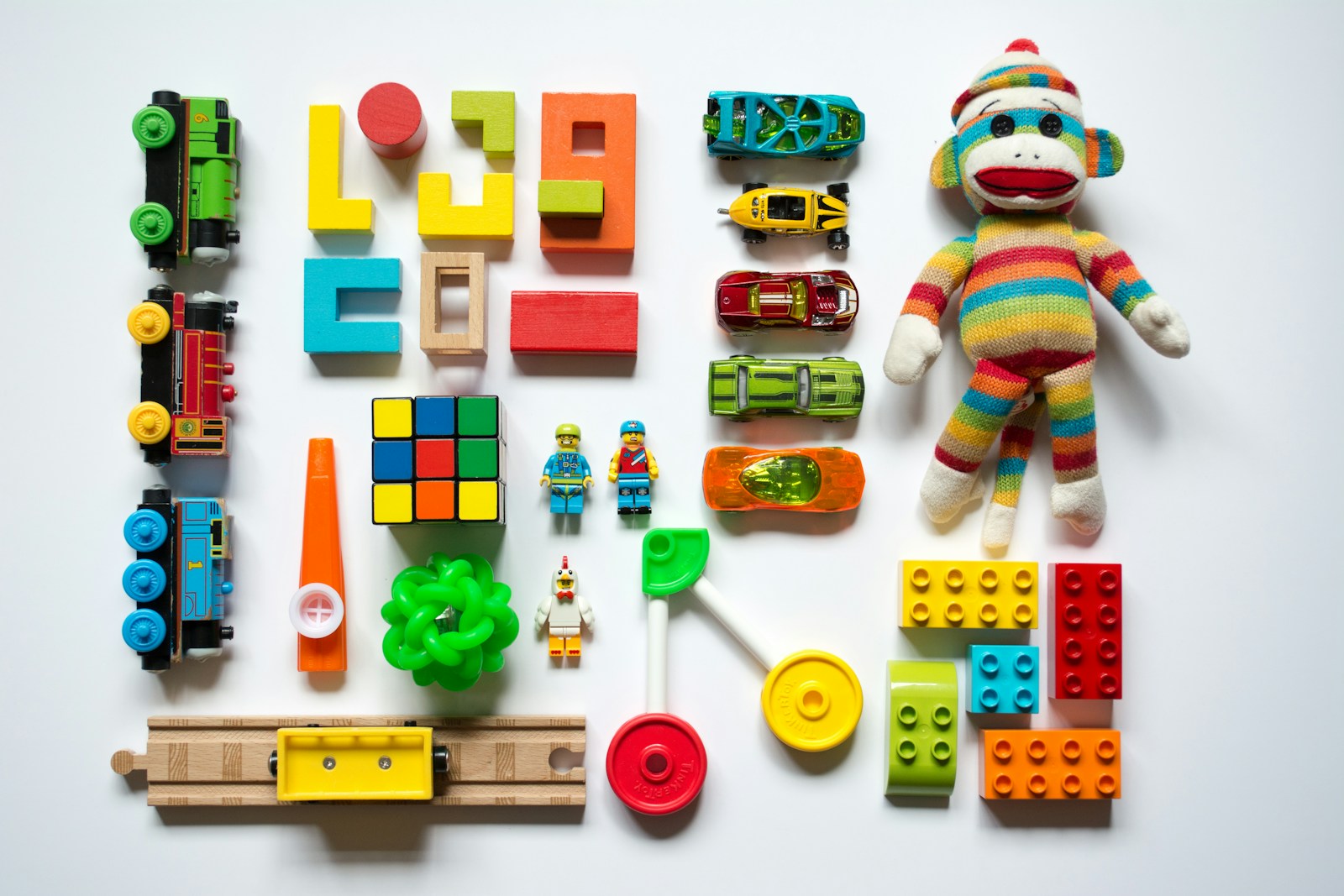
Walk into an infant room and watch what happens to a toy after it leaves a baby's mouth. If it goes straight back in the bin, the cleaning schedule is theater. If it goes into a bin marked for washing, the center is doing the job.
Reviewed by [pending] — a credentialed early-childhood health and safety reviewer has not yet been assigned to this page.
A daycare must set aside any toy a child has mouthed and clean and sanitize it before another child uses it, per the Caring for Our Children, 4th edition (2019), cleaning frequency schedule. Non-mouthed toys are cleaned and sanitized weekly or when soiled. Diaper tables are disinfected after every change. Cleaning, sanitizing, and disinfecting are three different steps, in that order.
It depends entirely on whether the toy goes in mouths. A toy that an infant or toddler has mouthed must be set aside the instant the child is done and cleaned and sanitized before any other child touches it, per the Caring for Our Children, 4th edition (2019), frequency schedule. The practical setup is two bins: clean toys out, used toys in a "to be cleaned" bin, with nothing recirculated until it has been washed.
Toys that are not mouthed get cleaned and sanitized weekly, or sooner if visibly soiled or after an illness. The rule scales with risk: the more a toy contacts saliva and hands, the more often it is cleaned. A center that runs every toy through the same lazy weekly wash, mouthed or not, is not following the schedule. This is closely tied to the norovirus outbreak protocol, where mouthed toys get pulled and disinfected immediately.
| Item | Frequency, per Caring for Our Children (2019) |
|---|---|
| Toys mouthed by infants or toddlers | Set aside after use; clean and sanitize before reuse |
| Toys not put in mouths | Clean and sanitize weekly, or when soiled |
| Diaper changing surface | Clean and disinfect after every change |
| Toilets, potty chairs, sinks | Clean and disinfect daily and when soiled |
| Food tables and high-chair trays | Clean and sanitize before and after each use |
| Floors, door knobs, cabinet handles | Clean daily; disinfect when contaminated |
| Crib and cot surfaces | Clean weekly and before use by a different child |
These words are not interchangeable, and using the wrong one is a common gap. Cleaning removes dirt and germs with soap and water. Sanitizing reduces germs to a safe level and is used on food surfaces and mouthed toys. Disinfecting kills nearly all germs and is reserved for higher-risk surfaces like diaper tables and toilets, per the CDC and Caring for Our Children, 4th edition (2019).
The order matters as much as the choice. You always clean first, then sanitize or disinfect, because a disinfectant cannot work through a layer of grime. Spraying disinfectant on a dirty surface and wiping it away does almost nothing. A center that knows the difference, and can tell you which product it uses where, is a center that takes the schedule seriously.
The diaper-changing table is the single most demanding surface on the schedule. It is cleaned and disinfected after every single change, per Caring for Our Children, 4th edition (2019), because it is where fecal germs and viruses like norovirus spread fastest. Toilets, potty chairs, and handwashing sinks are cleaned and disinfected daily and whenever soiled.
This is why the diaper area and the food area are kept strictly apart, with separate surfaces and separate handwashing. A center that changes diapers near where food is served, or uses one cloth for both, has a serious problem. For the full procedure, see our guide to the daycare diaper changing sanitation procedure.
What fails an inspection. A mouthed toy going straight back in the bin, one rag wiping every surface in the room, or a disinfectant sprayed over visible grime. When I inspected, I watched the infant room in real time, because the cleaning log can say anything. I looked for the two-bin toy system, separate cloths for diaper and food areas, and a "clean first" habit. A perfect log over sloppy practice is not compliance; the practice is the standard.
Sanitizers and disinfectants are chemicals, and they are kept away from children. The CDC advises against cleaning, sanitizing, or disinfecting while children are nearby and calls for fresh air flow during use. Products are stored locked and out of reach, and surfaces are rinsed or left to dry as the label directs before children use them again.
Mouthed toys get an extra step: after sanitizing, they are rinsed so a child is not exposed to chemical residue, then air-dried. The same logic applies to anything that touches food or skin. Safe use is part of the schedule, not an afterthought; a center that sanitizes correctly but leaves residue on a teething ring has solved one problem and created another.
You can read a lot in a quick visit. Ask to see the cleaning schedule and where it is logged, then watch the room briefly: is there a bin for used toys, are diaper and food areas separate, do staff clean before they sanitize? A center proud of its routine will show you without hesitation.
Here is the honest tradeoff. No amount of sanitizing makes group care germ-free; young children share everything, and a first year in daycare brings a string of colds and stomach bugs no matter how clean the room. A solid schedule does not eliminate illness; it lowers how often and how far it spreads. That is the realistic goal, and it is a core piece of our daycare quality and safety pillar and the broader daycare illness policy.
A daycare sets aside and sanitizes mouthed toys before reuse, cleans and sanitizes other toys weekly, and disinfects diaper tables after every change and toilets daily, per the Caring for Our Children, 4th edition (2019), frequency schedule. Cleaning, sanitizing, and disinfecting are three steps, in that order, and chemicals are used away from children. Watch the room, not just the log; the practice is what protects your child, and no schedule makes group care germ-free.
How licensing, hygiene, and health rules fit together.
Read the pillar → Sibling spokeThe step-by-step sanitation procedure for the highest-risk surface in a center.
Read the article → Sibling spokeHow exclusion, bleach, and reporting stop a stomach-bug outbreak.
Read the article →Get our free daycare starter kit — the 27-question tour checklist, a cost-comparison worksheet, and what to ask about waitlists. One email, no spam.
Or jump in: tour questions · cost calculator · comparison checklist