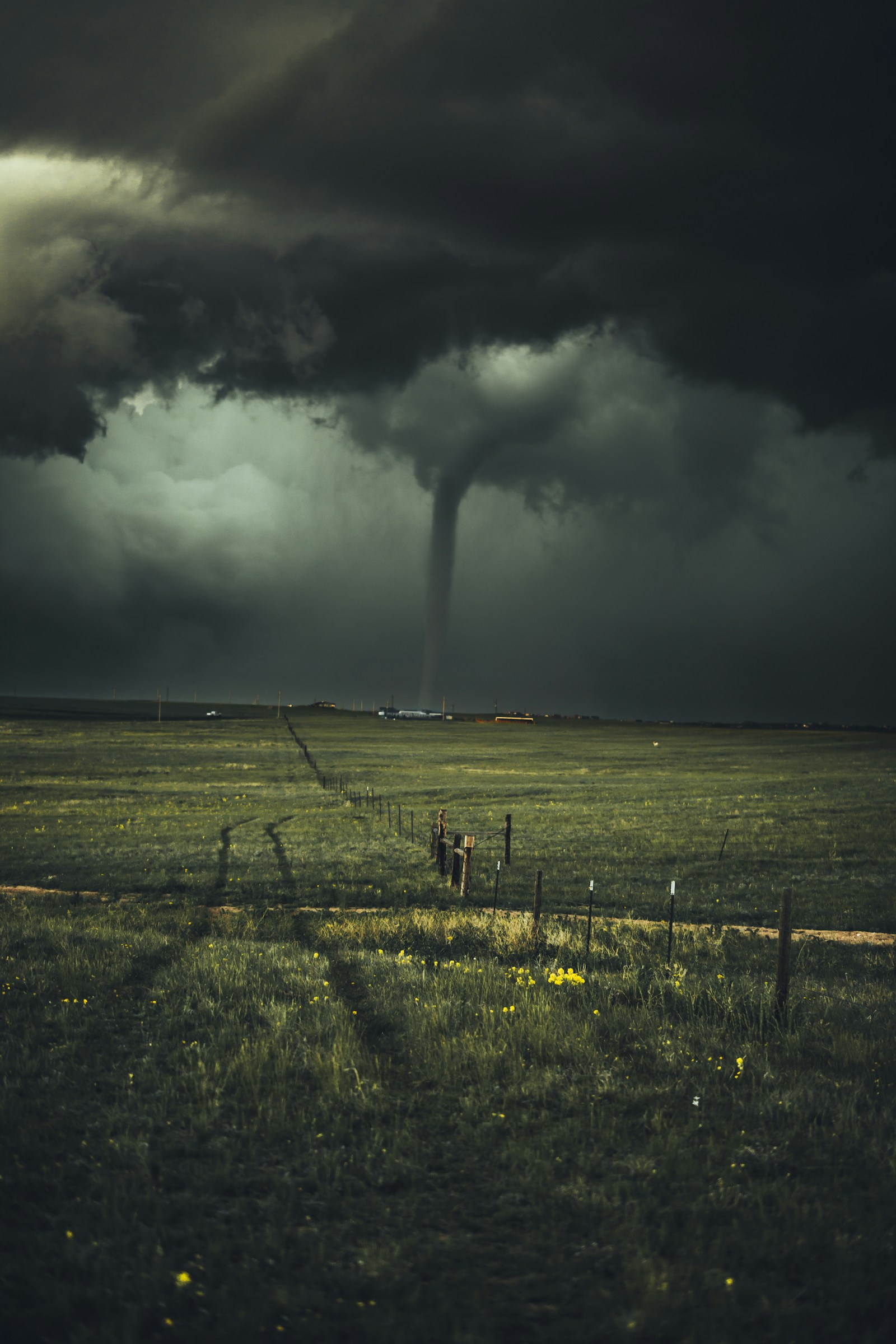
A severe weather plan is the easiest thing in a center to fake and the hardest thing to fake well. The binder is not the plan. The drill log and the staff who can name the shelter spot without looking are the plan.
Reviewed by [pending] — a credentialed early-childhood health and safety reviewer has not yet been assigned to this page.
A daycare severe weather plan must be written, must name where children shelter and where they relocate, and must be practiced on a logged schedule. The federal Child Care and Development Block Grant Act of 2014 requires every state to set emergency preparedness standards for licensed care, and Caring for Our Children, 4th edition (2019), Standard 9.2.4.1 spells out what the plan covers. Anything less fails inspection.
Yes, in every state, and it is not optional paperwork. The federal CCDBG Act of 2014 made emergency preparedness a condition of state licensing, and states wrote it in. Caring for Our Children, 4th edition (2019), Standard 9.2.4.1 requires a written plan covering evacuation, relocation, shelter-in-place, and lockdown. A center that cannot produce that plan on request is out of compliance before the inspector reads a word of it.
The plan has to fit the building and the region. A center in Oklahoma plans for tornadoes; one on the Gulf Coast plans for hurricanes; one in California adds earthquakes. A generic template downloaded and never localized is a common finding. The plan should name your actual shelter room, your actual relocation site, and your actual staff roles, not placeholders.
On the lowest level of the building, in a small interior room or hallway with no windows, per National Weather Service tornado sheltering guidance. A bathroom, closet, or interior hall works. Children sit on the floor against an interior wall, and staff cover infants and the youngest children to protect heads and necks. The goal is to put as many walls as possible between children and the outside.
Windows are the enemy. Flying glass and debris cause most tornado injuries, so any room with exterior glass is wrong, no matter how sturdy it feels. Infants in cribs and toddlers in high chairs get moved to the shelter spot; they do not shelter where they happen to be. If your center's designated spot has a window, that is a finding worth raising with the director today.
| Hazard | Correct daycare response |
|---|---|
| Tornado warning | Shelter in place: lowest floor, interior windowless room, children low against a wall, heads covered |
| Hurricane / tropical storm | Follow local evacuation orders early; relocate before conditions worsen, per the written plan |
| Severe thunderstorm / lightning | Bring all children indoors; stay in until 30 minutes after the last thunder, per NWS guidance |
| Earthquake | Drop, cover, and hold on; stay clear of windows and tall furniture, per FEMA guidance |
| Flash flood | Move to higher floor or relocate on the plan's route; never drive through water |
A plan that passes inspection covers the whole arc of an emergency: before, during, and after. Caring for Our Children, 4th edition (2019), frames it as four responses (evacuate, relocate, shelter-in-place, lockdown) plus communication and reunification. Here is the checklist I used on the other side of the clipboard.
What fails an inspection. A binder on a shelf that no one has opened since the last renewal. When I inspected, I did not read the plan first; I asked a teacher, "Where do you take these children if a tornado warning hits right now?" If she paused, the plan failed, no matter how thick the binder was. A plan that lives only on paper is not a plan. The staff knowing it cold, and a drill log that proves they practiced it, is the standard.
Frequency is set by your state licensing rules, and tornado-prone states are the strictest. Many require monthly tornado drills during tornado season, on top of monthly fire drills year round. Caring for Our Children, 4th edition (2019), calls for practicing each type of emergency response often enough that staff and children act without hesitation. The drill log, with date, time, and staff present, is what an inspector checks.
Drills with infants and toddlers look different from school drills, and that is fine. The point is not a silent line of children; it is that staff can move every child, including non-walkers, to the shelter spot fast and account for all of them. A center that runs fire drills but skips weather drills has a real gap. Severe weather drills are a separate requirement, not a subset of fire drills. For the fire side, see our guide to daycare fire drill and evacuation requirements, and for intruder events, the daycare lockdown and active-threat drill rules.
Ask three questions and you will learn most of what matters. First: where do you shelter children in a tornado warning? A confident, specific answer means the plan is real. Second: where do you relocate if the building cannot be used, and how will I be told? Third: can I see the drill log? A center proud of its preparedness will show you all three without flinching.
Be honest with yourself about the tradeoff here. No plan makes severe weather safe; it makes it survivable and orderly. A center that promises nothing bad can happen is selling you something. A center that says, "Here is exactly what we do, and here is the proof we practice it," is telling you the truth. That second center is the one you want. This is core to how we judge a program in our daycare quality and safety pillar, and it sits alongside the broader injury and incident reporting rules every licensed center must follow.
A daycare severe weather shelter plan must be written, localized to your real building and hazards, staffed with named roles, and practiced on a logged schedule, per Caring for Our Children, 4th edition (2019), and your state licensing rules. Tornado sheltering means the lowest interior windowless room, children low, heads covered. Ask for the shelter spot, the relocation site, and the drill log before you enroll. If the staff can answer cold, the plan is real.
How licensing, emergency planning, and health rules fit together.
Read the pillar → Sibling spokeHow often centers must run fire drills and evacuate, and what gets logged.
Read the article → Sibling spokeWhen a center must close and how it keeps food and medication safe.
Read the article →Get our free daycare starter kit — the 27-question tour checklist, a cost-comparison worksheet, and what to ask about waitlists. One email, no spam.
Or jump in: tour questions · cost calculator · comparison checklist