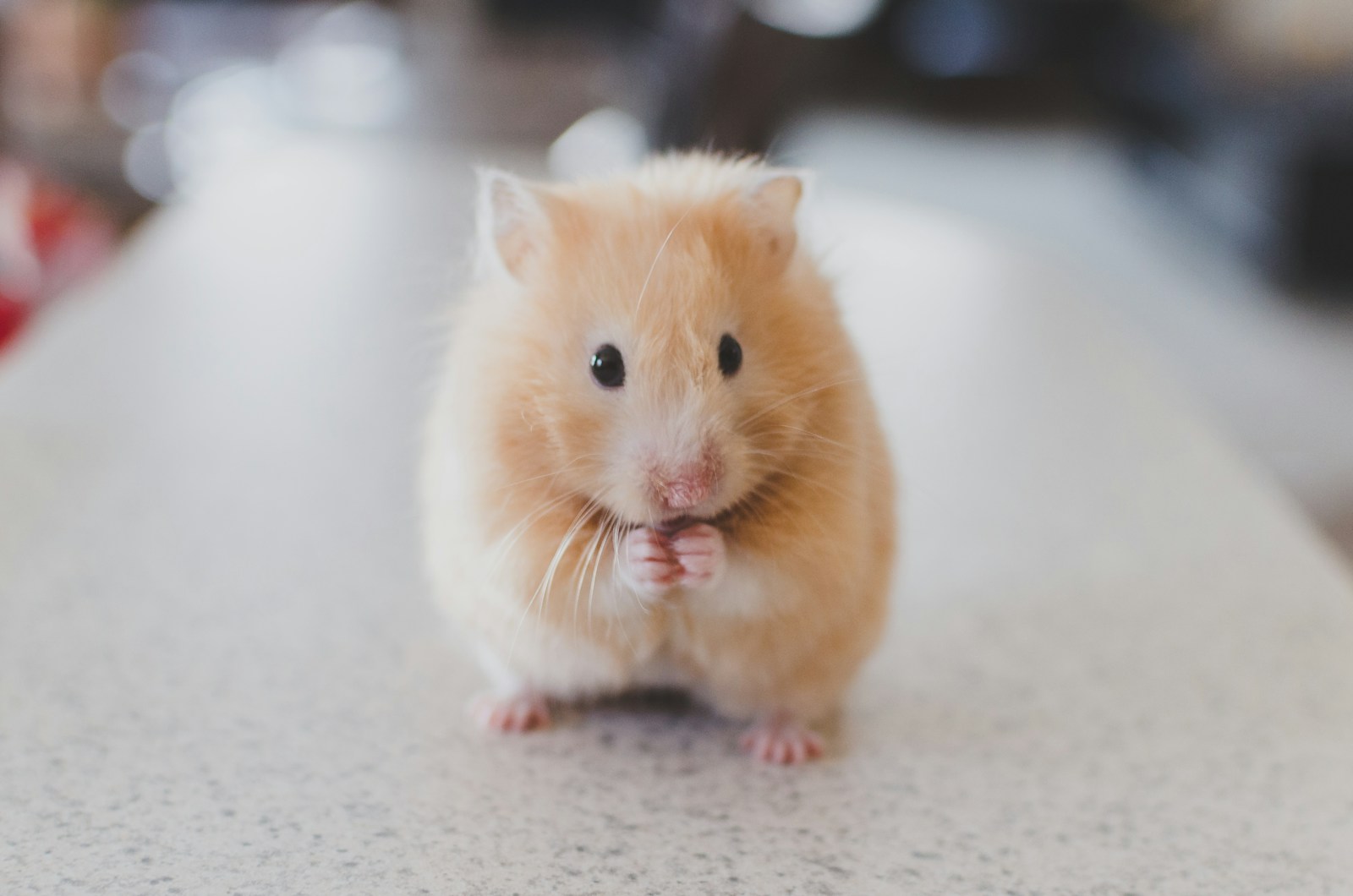
A classroom pet looks like the gentlest thing in the room. The reason inspectors care about it is the one parents almost never think about: a turtle the size of a cookie is one of the more reliable ways to put Salmonella in a toddler.
Reviewed by [pending] — a credentialed early-childhood health reviewer has not yet been assigned to this page.
Daycares may keep certain low-risk, healthy, vaccinated animals with supervision and strict hand washing, but reptiles, amphibians, and poultry are not allowed around children under 5 because of Salmonella, per the CDC and Caring for Our Children 4th edition (2019). Animals stay out of food areas, children wash hands after every contact, and families are notified and checked for allergies first.
Some animals are off the table for young children no matter how careful the room is. The CDC advises against reptiles (turtles, lizards, snakes), amphibians (frogs, salamanders), and poultry (chicks, ducklings) in any setting with children under 5, because these animals commonly carry Salmonella on their skin and shed it even when they look perfectly healthy. Caring for Our Children (2019) writes the same exclusions into child care standards.
The list does not stop there. Ferrets, aggressive or unpredictable animals, stray animals, unvaccinated animals, and any animal that is sick are excluded too. The rule is tightest in infant and toddler rooms, where children mouth their hands constantly and cannot follow a hand-washing instruction, so the margin for error is effectively zero.
| Animal type | Standard rule for under-5 settings |
|---|---|
| Turtles, lizards, snakes, frogs, salamanders | Not allowed (Salmonella risk), per CDC |
| Chicks, ducklings, other poultry | Not allowed (Salmonella risk), per CDC |
| Ferrets, aggressive or unvaccinated animals | Not allowed |
| Fish in a secured tank | Generally allowed; no contact with tank water |
| Guinea pigs, rabbits (healthy, vet-cared-for) | Often allowed in older rooms, with supervision and hand washing |
| Dogs or cats visiting | Only if healthy, vaccinated, temperament-checked, supervised |
A class pet that is allowed still comes with conditions, and they are not optional. Caring for Our Children (2019) permits low-risk animals only when they are healthy, current on veterinary care and vaccinations where applicable, kept in a clean enclosure, and handled under supervision. The center should hold documentation of the animal's veterinary care, the same way it holds records for anything else in the room.
Placement matters as much as the animal. Enclosures stay out of any area where food is prepared, served, or eaten, and they are cleaned away from surfaces children use, never in a kitchen or diapering sink. These are the details that separate a thought-through animal policy from a guinea pig someone brought in without a plan.
Hand washing is the single control that makes any classroom animal safe, and it is absolute. Children and staff wash with soap and water immediately after touching an animal, its enclosure, its food, or its waste, per the CDC and Caring for Our Children (2019). Soap and water, not sanitizer, because sanitizer does not reliably handle the germs animals carry, especially when hands are visibly soiled.
What fails an inspection. The classic finding is the small turtle or the springtime tub of baby chicks in a room of two-year-olds. It looks adorable and it is a documented Salmonella source, so it is an automatic problem in an under-5 setting. The other failure is a permitted pet with no veterinary records, an enclosure next to where children eat, or hand washing that happens "usually." With animals, supervision and the sink are the whole policy. If those are loose, the cute factor does not save it.
Before any animal enters a room, the center should check who in that room cannot be around it. Animal dander is a well-documented asthma and allergy trigger, so a center reviews each child's record for animal allergies and asthma before introducing a class pet or booking a visiting-animal event, and notifies families in advance.
A child with a documented sensitivity may need the animal kept out of their room entirely; that is a reasonable accommodation, not an overreaction. Parental notification and consent for animal visits is standard practice and often a licensing expectation. If your child has asthma, this overlaps directly with their action plan, covered in our daycare asthma action plan guide, and with the broader allergy action plan.
The honest tradeoff: a class pet is a real developmental and emotional plus for children, and the safest policy sometimes means saying no to the animal a room would love to have. Safety wins the tie. Reptiles, amphibians, and poultry are out for children under 5 because of Salmonella, permitted pets must be healthy, vet-documented, and supervised, and soap-and-water hand washing after every contact is non-negotiable, per the CDC and Caring for Our Children (2019). Ask your center what it keeps, where, and what the hand-washing routine actually is.
How health, hygiene, and safety rules fit together.
Read the pillar → Sibling spokeThe hygiene and exclusion rules that keep germs out of the room.
Read the article → Sibling spokeThe written plan for a child with a documented allergy.
Read the article →Get our free daycare starter kit — the 27-question tour checklist, a cost-comparison worksheet, and what to ask about waitlists. One email, no spam.
Or jump in: tour questions · cost calculator · comparison checklist